Full-Grain vs. Top-Grain Leather: A Buyer's Guide to Material Quality
Leather grading terms get used loosely across the wholesale footwear trade. Here's what full-grain, top-grain, and corrected-grain actually mean for durability and price.
By Hector Footwear Team · June 12, 2026 · 1 min read
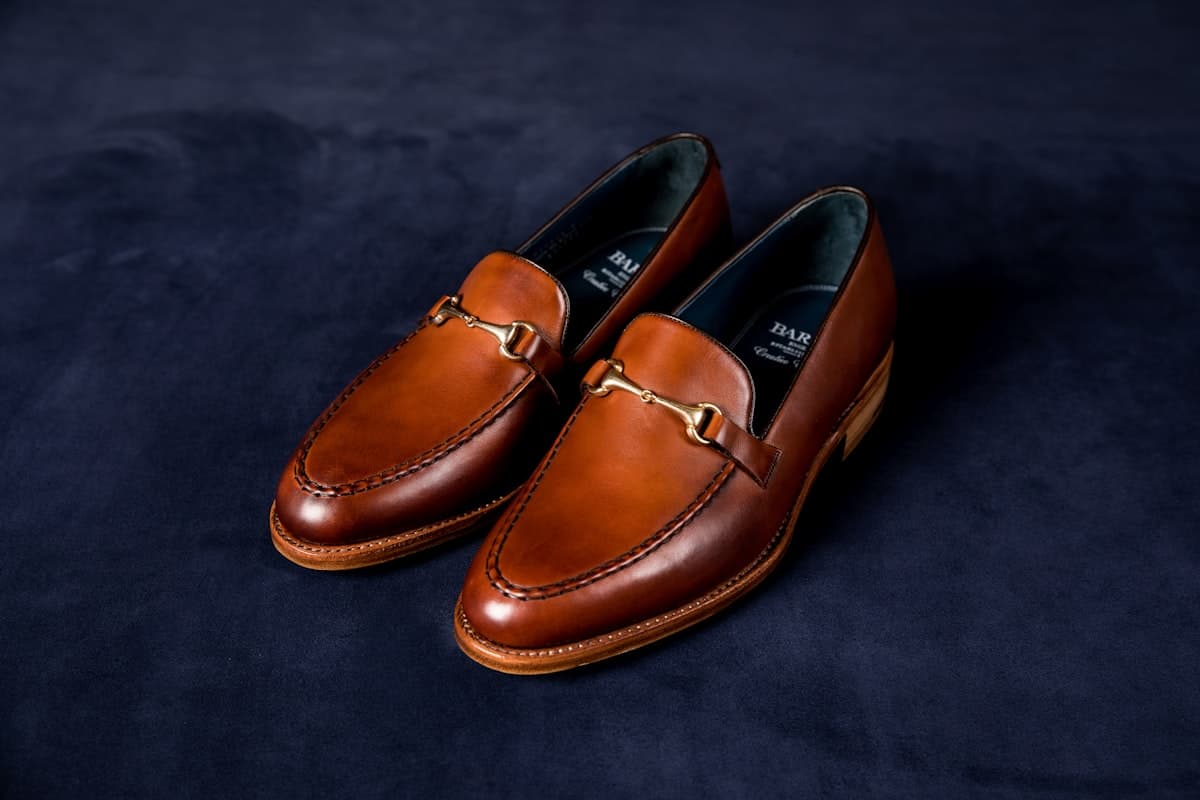
Leather grading terminology is one of the most commonly misunderstood parts of wholesale footwear sourcing, partly because the terms sound similar and partly because not every supplier uses them precisely.
Full-grain leather
Full-grain uses the entire top layer of the hide, including its natural grain and any minor imperfections, with no sanding or buffing to smooth them out. It's the strongest, most durable grade, and it develops a patina with wear rather than degrading — which is exactly why it costs the most and why supply of quality full-grain hides is naturally limited.
Top-grain leather
Top-grain also comes from the upper layer of the hide but has been lightly sanded and often given a finished coating for a more uniform, blemish-free appearance. It's more consistent-looking and typically less expensive than full-grain, at some cost to long-term durability and the natural aging characteristics buyers associate with genuine full-grain product.
Corrected-grain and bonded leather
Corrected-grain leather has had its surface sanded more heavily to remove imperfections and is usually finished with an embossed artificial grain pattern. Bonded leather is a different material altogether — scrap leather fibers bonded with adhesive onto a fabric backing — and generally shouldn't be marketed to buyers as genuine leather footwear without being clearly disclosed as such.
Why this matters for a wholesale buyer
The grade directly drives both your cost and your expected return/complaint rate over a product's wear life. A supplier who can't clearly state which grade a given style uses — in writing, per style, not as a blanket brand claim — is a real diligence flag, not a minor detail.
What to ask for
Request the material specification sheet for the specific style, not the brand's general materials page, before committing to an order at a price point that assumes full-grain quality.
Ready to source from Hector Footwear?
Browse the collection or apply for a wholesale account.