Footwear Market Trends to Watch in 2026
From material sourcing shifts to how independent retailers are rethinking open-to-buy planning, here's what's actually moving in the wholesale footwear market this year.
By Hector Footwear Team · July 4, 2026 · 2 min read
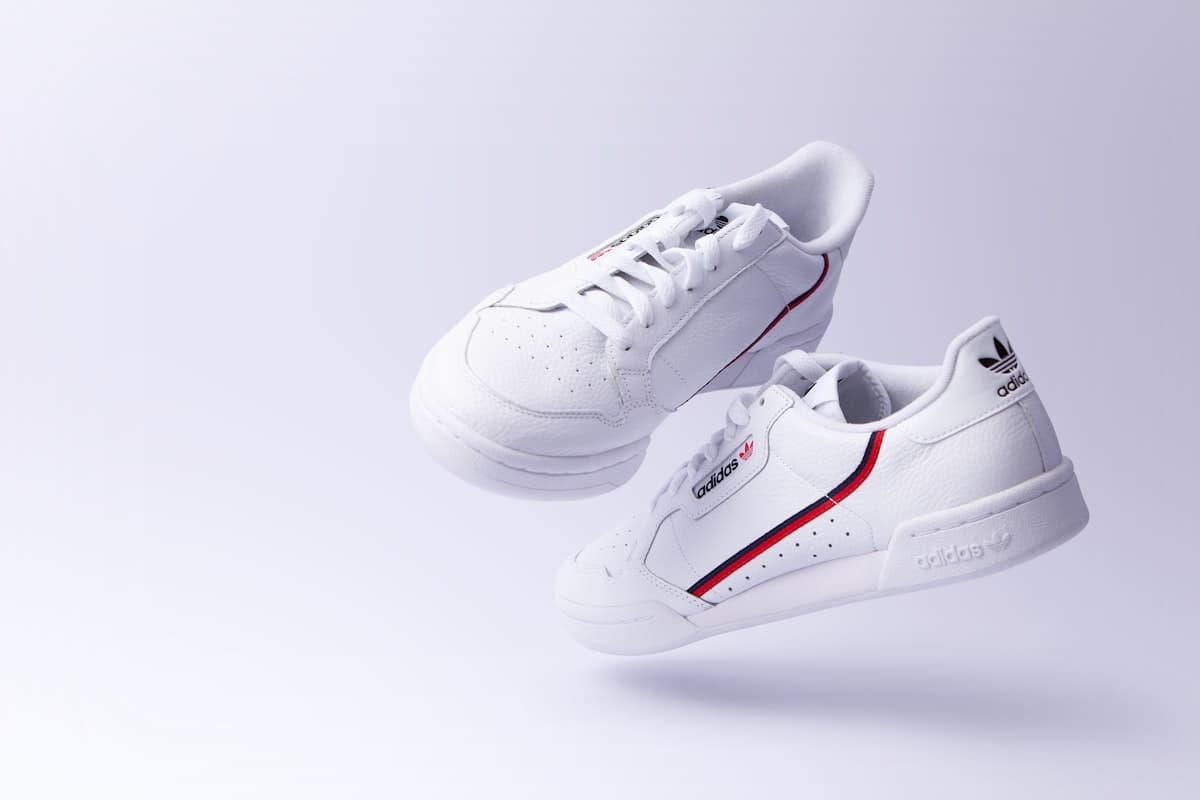
Wholesale footwear buying decisions made this year are shaped by a handful of forces that weren't nearly as pronounced two or three seasons ago. Here's what we're seeing across the trade.
Smaller, more frequent reorders replace single big seasonal buys
Independent retailers are increasingly splitting what used to be one large seasonal commitment into smaller, more frequent reorders — trading a small premium in per-unit efficiency for a large reduction in dead-stock risk. Suppliers who make reordering genuinely fast (real-time inventory visibility, saved assortments, one-click reorder) are winning share from those who don't.
Full-grain leather demand is outpacing supply growth
Genuine full-grain leather sourcing hasn't scaled at the same rate as demand for it, particularly for smaller hide sizes suited to lighter silhouettes like loafers and low sneakers. Expect continued firmness in full-grain pricing relative to corrected-grain alternatives through the rest of the year.
Buyers are pricing in payment terms more explicitly
With financing costs still elevated relative to the pre-2022 era, more buyers are actively comparing prepay discounts against net-30/net-60 list pricing as a real financial decision rather than a formality — meaning suppliers offering a genuinely flexible terms structure have a real competitive edge, not just a nice-to-have.
Anatomic and comfort-construction categories keep growing
Anatomic and orthotic-adjacent construction, once a niche category, is now a mainstream part of many independent retailers' assortments as consumer comfort expectations rise across every price point — not just in dedicated comfort footwear shops.
Digital wholesale ordering is now the default expectation
Buyers increasingly expect the same tools they get as consumers — search, saved lists, real inventory counts — from their B2B ordering portals too. A supplier still running wholesale exclusively through a rep and a spreadsheet is now the exception, not the norm.
None of these shifts is dramatic on its own. Together, they add up to a market that rewards suppliers who've invested in transparency and buyer tooling — and rewards buyers who ask for both before committing an order.
Ready to source from Hector Footwear?
Browse the collection or apply for a wholesale account.